
![[药材故事]从苍术到赤小豆,解密中药材与美食的完美结合](http://image.aiplusthings.com/upload/image/20250226/6387616022594303743455909_water.png)
Penned by the Stones
In the annals of human history, few things have been as integral to our survival and well-being as natural remedies derived from the earth. Among these, traditional Chinese herbs stand out as a treasure trove of wisdom, passed down through generations. Today, we delve into the fascinating world of Chinese herbs, exploring their stories, market dynamics, and the people who dedicate their lives to their cultivation and trade.
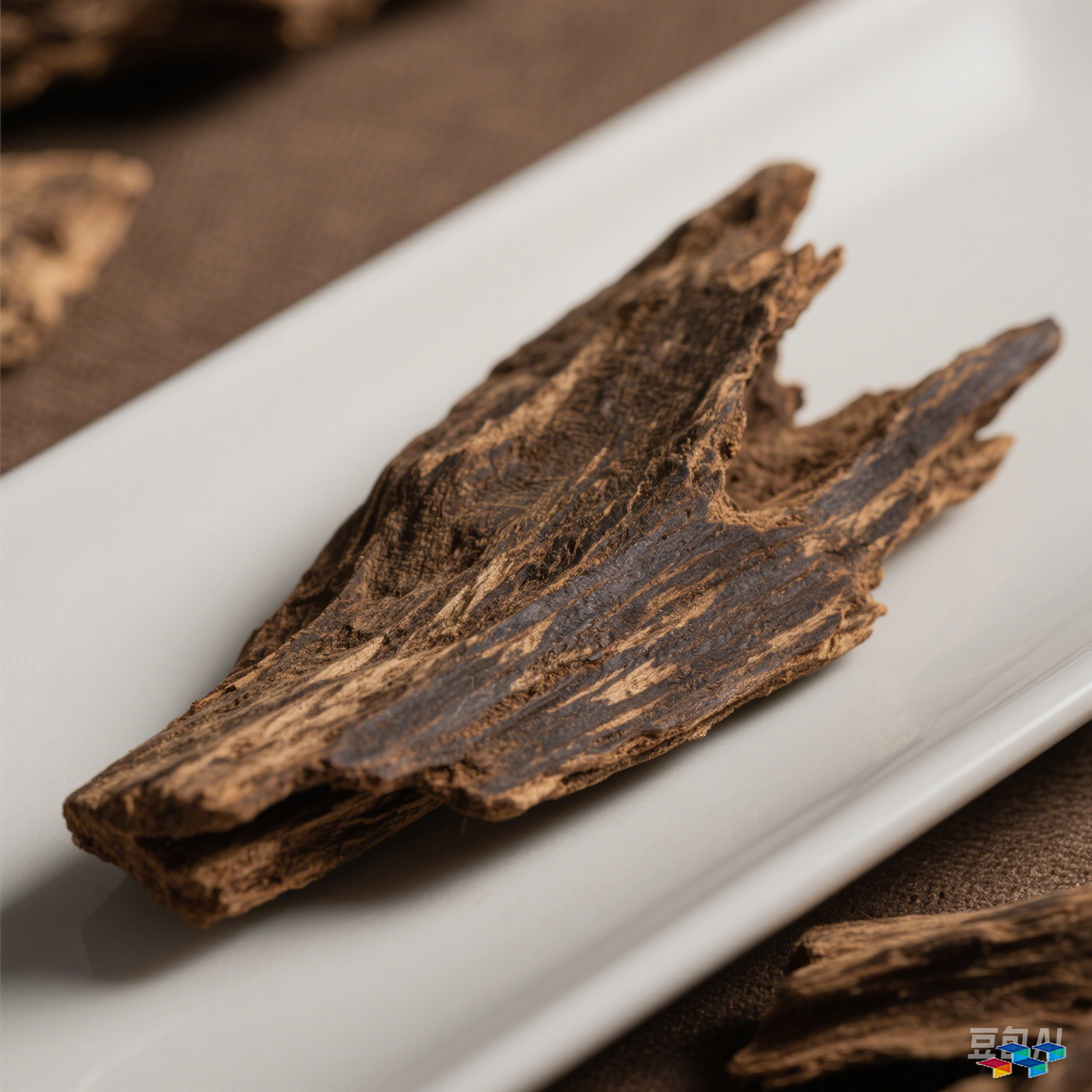
The Guardian of Herbal Knowledge: Yao Kang Network
At the heart of the Chinese herb industry lies Yao Kang Network, a comprehensive platform that serves as the guardian of herbal knowledge. This network is a one-stop destination for those seeking the latest updates on Chinese herbs, from market trends to cultivation techniques. Yao Kang Network doesn't just report on the industry; it actively shapes it by connecting farmers, traders, researchers, and enthusiasts from across the globe. Through their efforts, the timeless wisdom of Chinese herbs is kept alive and accessible to all.
Herbal Narratives: The Stories Behind the Medicine
Every Chinese herb has a story, and these narratives are as diverse and captivating as the herbs themselves. Take the White Lablab Bean (白扁豆), a humble yet powerful herb renowned for its ability to strengthen the spleen and boost energy. Its story is one of resilience and adaptability, as it has been cultivated in various regions of China for centuries, adapting to different climates and soils.
Then there's the 重楼 (Zhong Lou), a herb celebrated for its antibacterial and anti-inflammatory properties. Its story is one of mystery, as it thrives in the shadowy undergrowth of mountains, making it a challenge to cultivate on a large scale. This elusive nature adds to its allure, as it remains a highly sought-after herb in traditional medicine.
And let's not forget the 白刺花 (Bai Ci Hua), a flower that doubles as a herb with potent anti-inflammatory and analgesic properties. Its story is one of transformation, as it has recently gained popularity not just in traditional medicine but also in modern skincare products.
The Pulse of the Market: Insights from Bozhou
No discussion about Chinese herbs would be complete without mentioning the Bozhou Chinese Medicine Market, one of the largest and most influential herb markets in China. Here, the pulse of the market is felt daily, as buyers and sellers negotiate prices for everything from rare herbs to bulk commodities. Recent market analysis reveals a surge in demand for certain herbs, driven by their versatility and proven health benefits. For instance, the demand for 芭蕉花 (Ba Jiao Hua), a herb known for its liver-protecting properties, has seen a significant increase as awareness about liver health grows.
The market also reflects the broader trends in the industry, where sustainability and quality are becoming top priorities. Traders are increasingly looking for herbs that are not only effective but also ethically sourced, signaling a shift towards more responsible consumption.
Herbs in the Spotlight: The Rise of Innovation
In recent years, the Chinese herb industry has witnessed a wave of innovation, with researchers and entrepreneurs finding new ways to harness the power of traditional herbs for modern applications. For example, extracts from the White Lablab Bean are now being used in functional foods and beverages, while the Zhi zi (栀子) flower is making waves in the skincare industry due to its anti-aging properties.
This fusion of tradition and innovation is not just about creating new products; it's about preserving the essence of Chinese herbal medicine while meeting the evolving needs of a global audience.
The Future of Chinese Herbs: A Sympathy for the Earth
As we look towards the future, it's clear that the Chinese herb industry is at a crossroads. The increasing demand for natural and holistic health solutions presents a golden opportunity, but it also comes with challenges. Ensuring sustainable practices, maintaining the quality of herbs, and addressing the effects of climate change are issues that require immediate attention.
However, with platforms like Yao Kang Network leading the charge, and with the stories of herbs like the White Lablab Bean and 重楼 reminding us of their enduring value, the future of Chinese herbs looks bright. The industry is poised to not just survive but thrive, providing a bridge between the past and the future.
Conclusion: Writing the Next Chapter
The story of Chinese herbs is far from over. It is a narrative that continues to evolve, adapting to the changing tides of time while staying true to its roots. As we move forward, it's essential to remember the roles that each herb, market, and platform plays in this grand tapestry. Whether it's the Bai Ci Hua blooming in the mountains or the bustling markets of Bozhou, every element contributes to the timeless tale of Chinese herbal medicine.
What part of this story resonates with you? Are you inspired to explore the hidden treasures of Chinese herbs or perhaps contribute to their preservation and innovation? Let us know in the comments below, and together, we can write the next chapter in the ageless saga of Chinese herbs.
作者声明:内容由AI生成
最新信息
荜茇、白头翁、川乌头的药材故事与实用指南
2025/6/11 10:05:30探索中药材故事,助力女性健康
2025/6/11 9:59:51
探索药材故事,深度剖析芭蕉花、蝉蜕、草豆蔻药材产能与产地分析
2025/6/11 9:54:26
中药材市场助力乡村振兴,药膳食谱与蚕茧药材的故事
2025/6/11 9:49:46
